


Tekton Ministries
Publish Date: January 7, 2026
There is no place on earth quite like the Holy Land. To walk where Christ walked, to celebrate Mass where He was born, died, and rose again—these are graces that transform not only pilgrims but the priests who shepherd them. If you've felt the stirring to lead your parish to the Holy Land, you're responding to one of the most profound calls of pastoral ministry.
But leading a pilgrimage is not the same as taking one. The priest who guides his flock through Jerusalem, Galilee, and Bethlehem carries responsibilities that go far beyond his own spiritual experience. He becomes teacher, confessor, liturgist, and pastor in an intensified way—often for twelve or more hours a day, across terrain both physically demanding and spiritually overwhelming.
This guide is designed to help you prepare for that sacred responsibility. Whether you're discerning your first pilgrimage or refining your approach after several trips, what follows will equip you to lead your parish through the Holy Land with confidence, wisdom, and pastoral care.
Why Priests Lead Pilgrimages to the Holy Land
The Holy Land is not simply a destination—it's the Fifth Gospel. When your parishioners stand at the Sea of Galilee, the abstract becomes concrete. The Jesus they've heard about in readings suddenly has dusty roads, a particular hillside, a specific tomb. For many Catholics, this encounter becomes a turning point in their faith.
As their pastor, you have the privilege of facilitating that encounter. You know your parishioners' struggles, their family situations, their spiritual needs. A professional guide can explain the archaeology of Capernaum, but only you can connect that site to Mrs. Thompson's struggle to trust God after her husband's death, or to the young father wrestling with how to lead his family in faith.
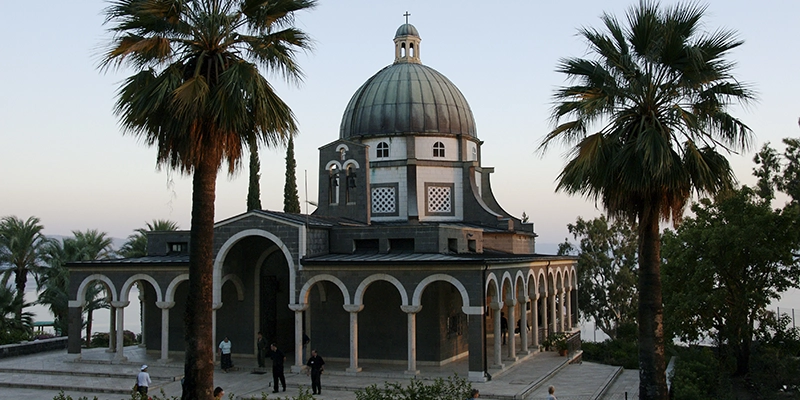
The Church of the Beatitudes overlooks the Sea of Galilee, where Jesus delivered the Sermon on the Mount.
This is why priest-led pilgrimages bear fruit that tourist trips cannot. You bring the sacraments. You bring the homily tailored to your people. You bring the pastoral relationship that allows grace to take root in prepared soil.
Spiritual Preparation: Forming Your Pilgrims Before Departure
The most successful pilgrimages begin months before the plane takes off. Consider offering a series of formation sessions for registered pilgrims—perhaps four to six gatherings in the weeks leading up to departure.
Scripture Study: Walk through the key Gospel passages connected to the sites you'll visit. When pilgrims arrive at the Mount of Beatitudes having just studied Matthew 5–7 together, the experience deepens immeasurably. The Gospels of Mark and John are particularly suited to Holy Land pilgrimage, as they contain vivid geographical and sensory details.
Historical Context: Help your pilgrims understand the world Jesus inhabited. A basic introduction to Second Temple Judaism, Roman occupation, and the geography of first-century Palestine prevents the disorientation many pilgrims feel when modern Israel doesn't match their mental images.
Interior Preparation: Encourage pilgrims to identify specific intentions they're carrying. What do they hope to lay before the Lord at the Holy Sepulchre? What healing are they seeking at the Jordan River? Pilgrimage bears its richest fruit when pilgrims arrive with open, hopeful hearts.
Practical Expectations: Address the physical realities honestly. The Holy Land involves significant walking, early mornings, and crowded sacred sites. Pilgrims who arrive expecting a restful vacation will struggle. Those who understand they're undertaking a spiritual discipline will thrive.
Planning Your Itinerary: Balancing Must-See Sites with Pastoral Pace
The temptation in Holy Land pilgrimage planning is to see everything. Resist it. An exhausted pilgrim cannot pray. A rushed visit to Gethsemane robs your people of the very encounter they traveled thousands of miles to have.
The Essential Sites: Certain locations are non-negotiable for a Catholic pilgrimage: the Church of the Holy Sepulchre, the Church of the Nativity in Bethlehem, the Sea of Galilee, Nazareth, and the Mount of Olives. Build your itinerary around these anchors, ensuring adequate time at each.
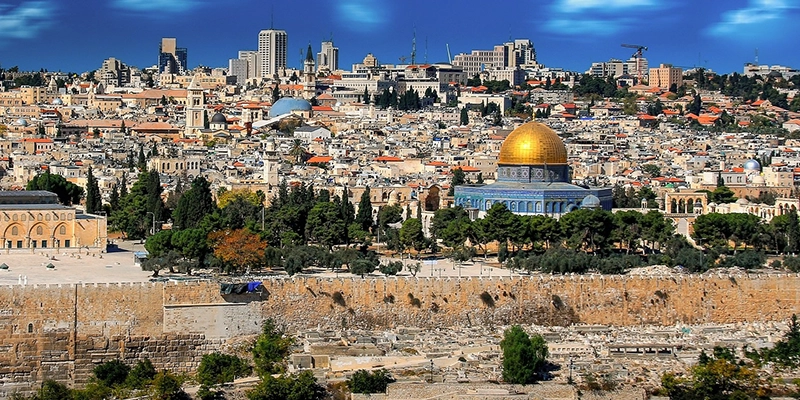
The Old City of Jerusalem, home to the Church of the Holy Sepulchre and the Via Dolorosa.
The Rhythm of Days: Aim for no more than three major sites per day, with genuine breaks between them. Begin each day with Mass when possible—celebrating the Eucharist at a holy site before the crowds arrive creates an intimate, prayerful experience your pilgrims will never forget.
Free Time Matters: Build in unstructured time for personal prayer, journaling, or simply sitting in silence at a sacred site. Some of the most profound pilgrim encounters happen not during scheduled programming but in quiet moments of personal prayer.
The Galilee Difference: Many pilgrimage leaders recommend spending the first portion of your trip in Galilee before moving to Jerusalem. The peaceful shores of the lake, the gentle hills, and the slower pace allow pilgrims to find their footing before the intensity of the Holy City.
Celebrating the Sacraments: Your Unique Gift as a Priest
No aspect of priest-led pilgrimage matters more than the sacraments. This is what you offer that no tour company can provide.
Daily Mass: Coordinate with your pilgrimage company to secure Mass times at significant sites. Celebrating the Eucharist in the Grotto of the Nativity, at the Church of the Multiplication, or in the Chapel of the Apparition at the Holy Sepulchre creates moments of profound grace. Prepare homilies in advance that connect each site to your parishioners' lives back home.
Confession: Make yourself generously available for the Sacrament of Reconciliation throughout the trip. Many pilgrims experience deep movements of conversion in the Holy Land, and the opportunity for confession should never be far away. The Garden of Gethsemane and the Church of the Holy Sepulchre are particularly powerful settings for this sacrament.
Anointing of the Sick: If any of your pilgrims are elderly or dealing with illness, offer the Anointing of the Sick at an appropriate site. The Pool of Bethesda, where Jesus healed the paralytic, provides a meaningful setting.
Renewal of Vows: Consider offering opportunities for married couples to renew their vows at Cana, or for pilgrims to renew their baptismal promises at the Jordan River. These moments become treasured memories and genuine encounters with grace.
Pastoral Care on the Road
Leading a pilgrimage is one of the most intensive pastoral experiences you'll ever have. For eight to twelve days, you are constantly available to your people in a way parish life rarely allows.
Emotional Preparedness: The Holy Land stirs deep emotions. Pilgrims may weep at the Holy Sepulchre, feel inexplicable peace in Galilee, or struggle with unexpected spiritual dryness. Be prepared to accompany your people through the full range of responses. Not every pilgrim will have a mountaintop experience, and some may need reassurance that God is working even when feelings are absent.
Group Dynamics: Even the most harmonious parish group will experience friction after days of close quarters and constant togetherness. Address tensions early and gently. Seat yourself strategically on the bus to be available to different pilgrims throughout the trip.
Physical Limitations: Some pilgrims will struggle with the walking, the heat, or the early mornings. Work with your guide to ensure alternatives exist for those who cannot manage every climb. No one should feel excluded from the pilgrimage experience because of physical limitations.
The Overstimulated Pilgrim: The Holy Land can overwhelm. If you notice a pilgrim becoming withdrawn or anxious, gently check in. Sometimes the most pastoral thing you can do is give someone permission to skip an optional site and rest.
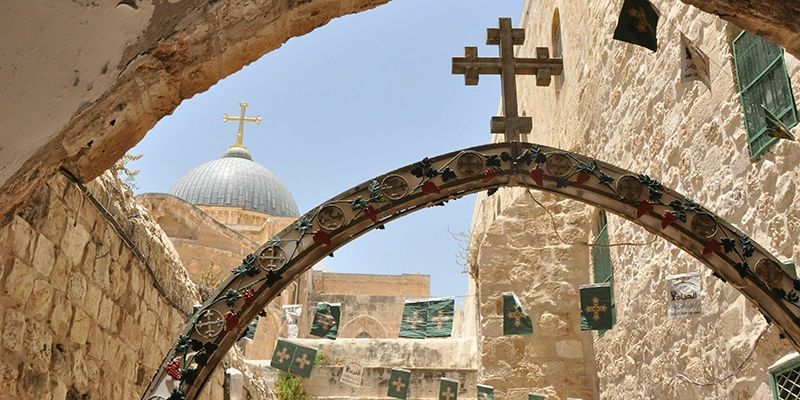
The Church of the Holy Sepulchre marks the site of Christ's crucifixion, burial, and resurrection.
Working with Your Pilgrimage Company
A priest-led pilgrimage is a partnership between you and your travel provider. Choosing the right company—and building a strong working relationship—makes an enormous difference.
What to Look For: Seek a company with deep experience in Catholic pilgrimage, not merely Holy Land tourism. They should understand the importance of Mass times, have established relationships with the Franciscan Custody of the Holy Land, and employ guides who respect the devotional nature of your trip.
Your Role vs. the Guide's Role: A good local guide handles logistics, historical commentary, and navigation. Your role is spiritual leadership—the homilies, the prayer, the pastoral care. Clarify these roles early. The best pilgrimages feature seamless collaboration between priest and guide, each contributing their expertise.
Communication Before and During: Establish clear communication with your pilgrimage coordinator well before departure. Confirm Mass reservations, discuss any parishioners with special needs, and ensure you understand the daily schedule. During the trip, maintain open communication with your guide about pacing and pilgrim needs.
After the Pilgrimage: Helping Fruit Take Root
The graces of pilgrimage can dissipate quickly if pilgrims return to ordinary life without support. Plan for the re-entry.
Reunion Gathering: Schedule a gathering four to six weeks after your return. Invite pilgrims to share their experiences, photos, and how the Holy Land has continued to work in their hearts. This gathering often surfaces the deeper fruits that pilgrims didn't recognize in the moment.
Ongoing Formation: Point pilgrims toward resources that continue their Holy Land encounter: Scripture studies focused on the Gospels, books about the land and its significance, or prayer practices connected to specific sites.
Witness in the Parish: Encourage pilgrims to share their experience with the broader parish—perhaps through bulletin reflections, a presentation at adult faith formation, or simply personal conversations. Their witness may inspire others to consider pilgrimage.
Your Own Integration: Don't neglect your own need to process the experience. Leading a pilgrimage is spiritually intense. Make time for retreat or spiritual direction to integrate what God did in you during those days in the Holy Land.
A Final Word of Encouragement
If you're discerning whether to lead your parish to the Holy Land, let me offer this: few things you do as a priest will bear fruit as abundantly as pilgrimage leadership. The parishioner who finally forgives her father at the foot of Calvary. The young man who discerns his vocation while praying at the Sea of Galilee. The married couple whose love is rekindled at Cana. These are the moments that await you.
Yes, it requires significant preparation. Yes, it will exhaust you. But the privilege of shepherding your people through the land where our salvation was won—this is pastoral ministry at its most profound.
The Holy Land is waiting. Your people are ready to walk where Christ walked. And you are the shepherd called to guide them there.
Ready to begin planning your parish pilgrimage? We would be honored to help you create a meaningful Holy Land experience for your community. See All Upcoming Pilgrimages to explore available dates, or learn more about how to Lead Your Own Group with our dedicated support for clergy.